Bruxism/ Temporomandibular joint disorders (TMD)
The difference between bruxism and TMD ?

Although often confused, TMD and bruxism are two distinct conditions: TMD affects both the joint and the jaw muscles, whilst bruxism is a behaviour involving biomechanical overload of the teeth and jaw muscles.
What about bruxism ?
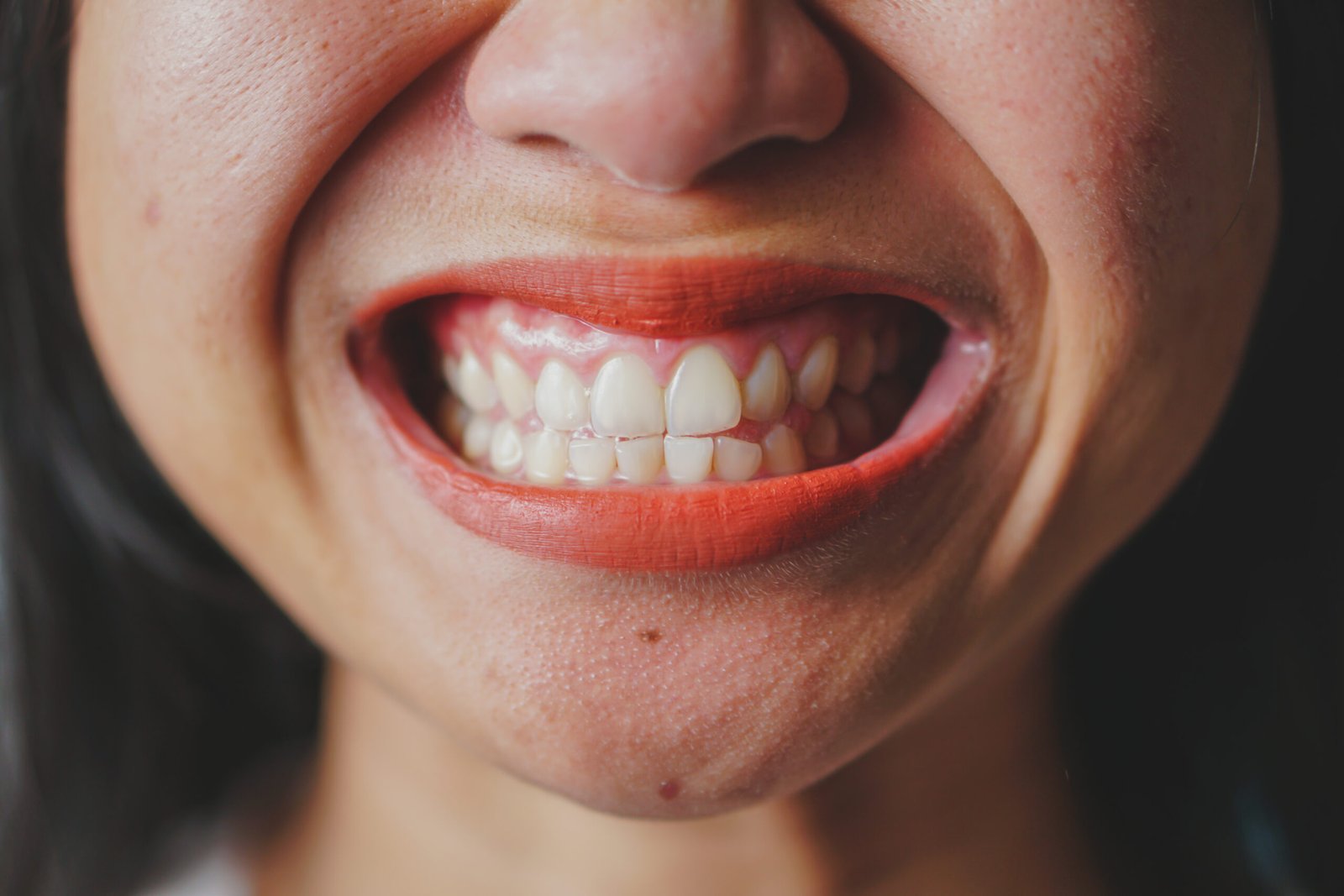
Bruxism is the medial word for the involuntary clenching, grinding, thrusting or bracing ( the movement of pushing or thrusting the jaw forward or sideways ) . It can either occur during the day (awake bruxism) or at night (sleep bruxism) although many people are entirely unaware they do it. Frequent grinding can cause excessive tooth damage ( dental wear, enamel chipping, increased tooth sensitivity) , headaches, and jaw pain. Awake bruxism tends to implicates sustained muscle contraction or thrusting, while sleep bruxism usually involves a rhythmic, involuntary grinding movement
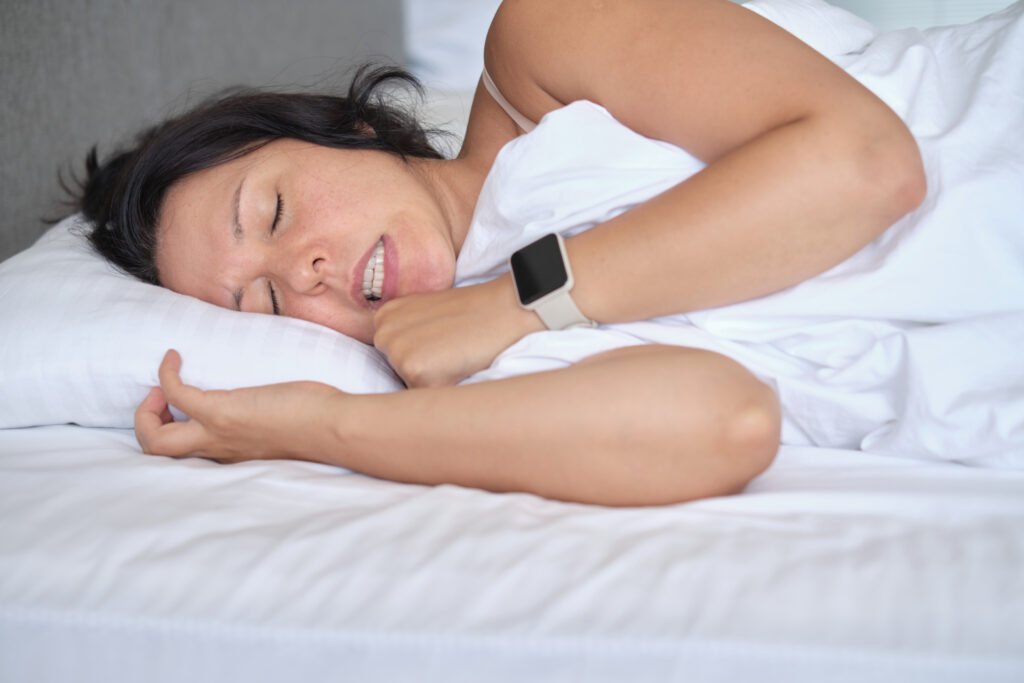
- Waking up in the morning with a very tired, aching jaw or stiff facial muscles
- Dull headaches radiating from the temples
- Permanent dental damage as excessive tooth wear, chipped enamel, or increased tooth sensitivity
- Tongue indentations (scalloped edges) caused by thrusting the tongue against the teeth
Bruxism is the brain telling a story about your life
- Gastroesophageal reflux disease (GERD) which is a chronic upper gastrointestinal disease
- Parafunctions : 1. Non-nutritive sucking ( prolonged use of the thumb, a finger or a dummy) 2. Tongue-related problems: tongue dyspraxia or pushing the tongue against the teeth. 3. Mouth breathing 4. Chewing tics: biting one’s nails (onychophagia), chewing one’s cheeks or objects.
- Stress and Anxiety
- Sleep Disorders: Conditions like obstructive sleep apnea often link to sleep bruxism, where the body unconsciously clenches or thrusts the jaw to keep airways opened
- Substances: High caffeine intake ( more than 6 cups daily) , alcohol, smoking, drugs ( ecstasy, cocaine) or certain medications (like SSRI antidepressants)
- Orthodontic evaluation et treatment: visit us for a teeth and jaw assessment. Also it is important to evaluate jaw thrusting and develop a customized Bruxism Management plan, such as wearing a protective night guard or practicing daytime jaw posture awareness.
- Practice exercices to relax the TMJ ( jaw) muscles to reduce tension and strains
- Integrate posture-strengthening exercises ( neck and back muscles) in your daily routine– to improve spinal alignment and enhance overall mobility .
- It's a multi-factorial and multidisciplinary management: Facial yoga/sophrology/acupuncture/ Psychologist if necessary.
What about Temporomandibular Joint Disorders (TMD) ?
Temporomandibular joint (TMJ) connects the jaw to the skull. You have two TMJs – one joint on each side of the head, located close to your ears .
TMJ disorders ( TMD) affect the jaw joints and muscles that control how your jaw move, help you chew and talk. They can lead to discomfort, pain, locking/clicking, restricted movement of the jaws, migraines and difficulty chewing.
TMD is very common in the adult population, especially between the ages of 20 to 40.
Females are more likely to suffer from it. Great news? With early diagnosis and right treatment , TMD is generally manageable – rarely causing lasting problems and even sometimes recoverable. Early care of the disorder will change significantly how you feel day to day.
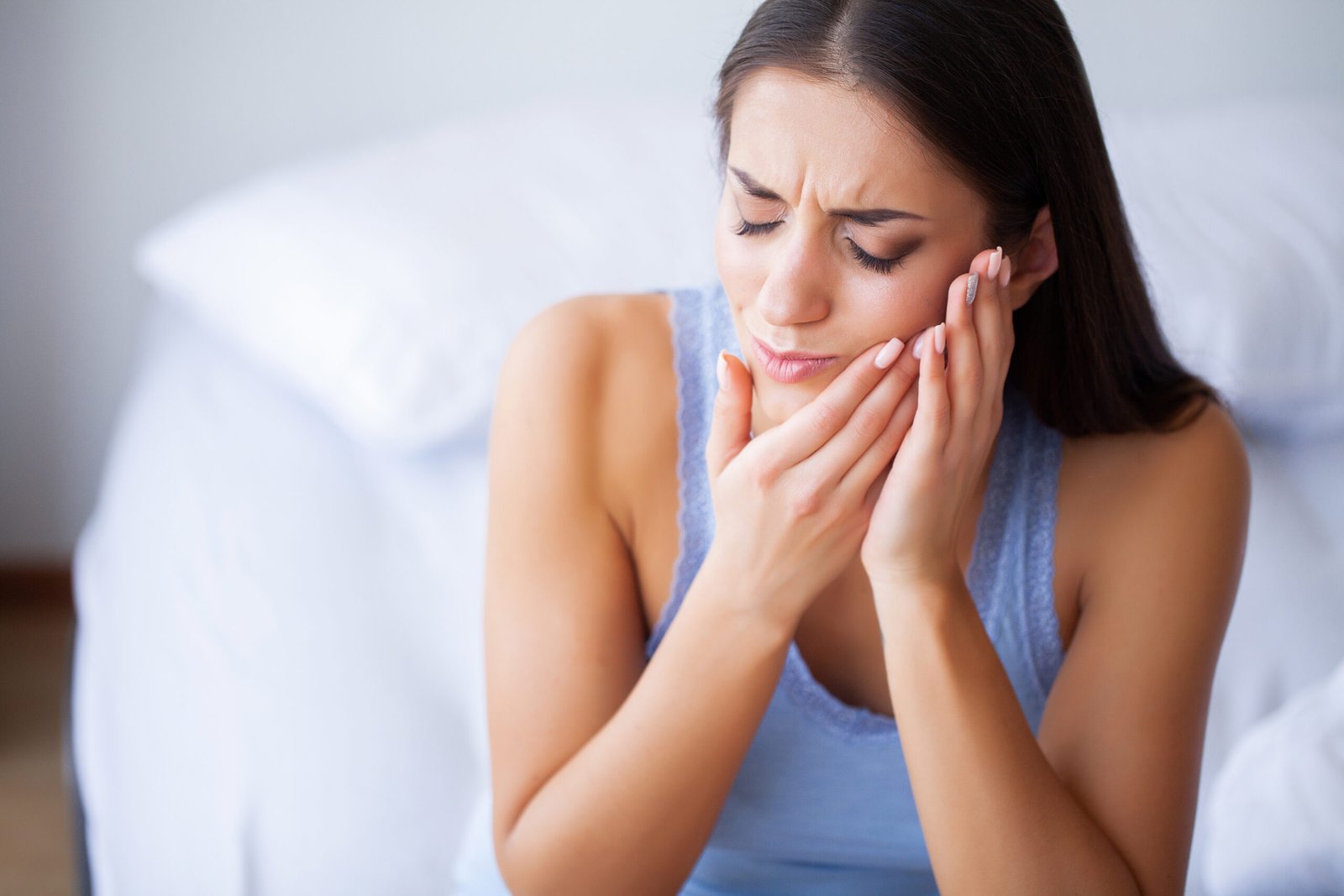
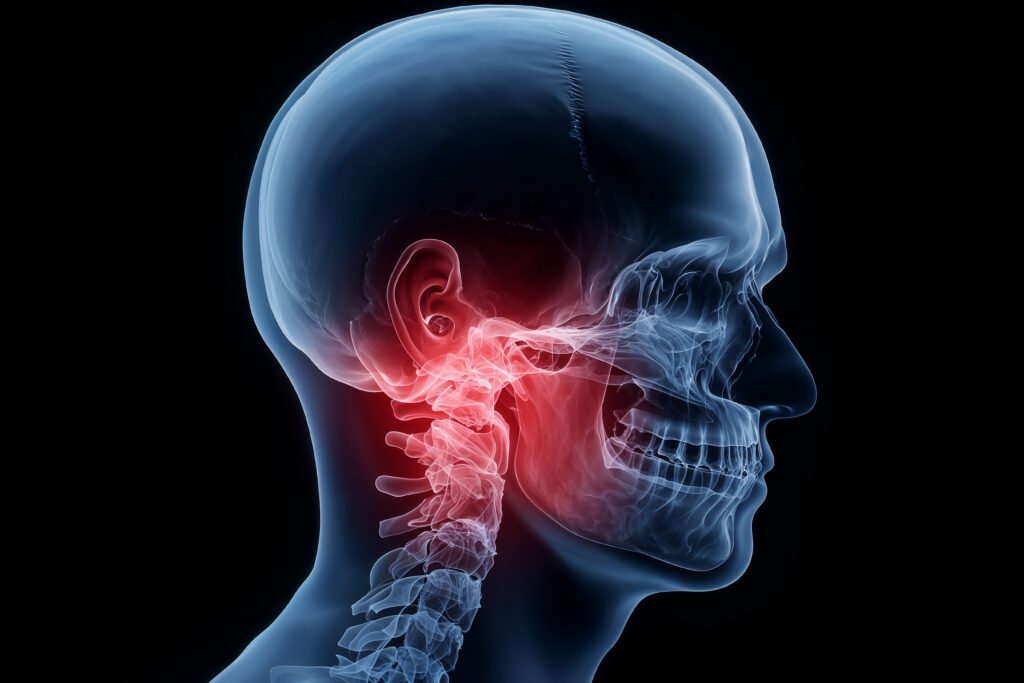
- Jaw or face pain/tension: face muscle tensions; pulsative pain in the jaw, neck and shoulders
- Migraines and headaches.
- Difficulty to masticate hard food and sensation of jaw instability
- Restricted jaw movement and function : trouble chewing, speaking, or opening/closing/locking of the jaw.
- Sounds: Clicking, popping, or grinding sounds in the joint.
- Damage on teeth and gum: cracks, wore down, gum recession
The exact cause of TMD is often challenging to determine.
The disorder may be caused by a mix of factors:
- Jaw/articulation disks. dysfunction: permanent disunion of the disks and jaw condyle or disk wore down
- Jaw injury/Medical conditions: osteoarthritis, fibromyalgia, jaw trauma, or injury to the jaw joint.
- Muscle Tension: Misalignment of muscles or joints.
Wear an occlusal splint: It is a comfortable, removable, and custom-designed mouthguard that fits over your teeth.
The splint is a simple but yet effective therapy to protect your teeth and smile and support your jaw health. It is typically worn at night but can also be used during daytime, depending on your specific needs.
- Guide and reposition your jaw into a more relaxed and balanced position, reducing strains on the jaw muscle and joints .
- Prevent teeth grinding/clenching: It creates a physical barrier between your upper and lower teeth to protect them from wear and damage.
- Alleviate TMD symptoms: preventing stress on your jaw joints, it can relieve pain, headaches, and jaw stiffness.
- Integrate posture-strengthening exercises ( neck and back muscles) in your daily routine– to improve spinal alignment and enhance overall mobility .
- Look for a physiotherapist specialized in TMJ dysfunction that will dispense manual therapy, posture correction, and strengthening exercices.
Ready to explore your options?
Book your visit to discuss your different orthodontic option, and obtain a clear timeline and cost breakdown. Your most confident smile can be both healthy and beautifully aligned. Let’s make a plan that works for you.